Skip to content


A useful consistency reminder for students is Read one page, then work through one problem. Choose a line that points to something you can do in your next study session, such as trying a question or revisiting a difficult step.
The right words depend on what is getting in the way. You might need help beginning, a reminder to return after a missed day or permission to make the plan more realistic. A quote can sit beside that plan; it does not need to turn every study session into a test of your character.
Editorial note: This collection separates three sourced historical quotations from 45 unattributed study reminders, grouped by the situation you may be facing. Keep author credits with the quotations and adapt the reminders to your own subjects and schedule.
Sourced quotations about learning and follow-through
These historical quotations have named sources. The study applications beneath them are commentary, separate from the quoted words.
Short consistency quotes for a study desk
The remaining lines are unattributed study reminders. Choose one you can connect to a task you have in front of you.
Reminders for building a study routine
Pick a line that fits your actual week, including work, family responsibilities and classes. A routine can have different-sized sessions.
For days when motivation is low
These lines offer a smaller way back into the work. If you are exhausted or unwell, rest or ask for support rather than treating a quote as an order.
Consistency after a missed day or disappointing result
Use these when you need to resume rather than punish yourself. Keep the focus on the next helpful action.
If you are encouraging someone else rather than choosing a reminder for yourself, these supportive words a teacher can share with a student focus on that relationship. Name the effort you have noticed and offer help that fits the situation.
Steady-effort reminders for exam preparation
Choose wording that brings you back to preparation, rather than promising a score or comparing you with classmates.
If prayer is part of your preparation, these prayers for studying and approaching an exam offer a faith-based companion to the work. Prayer and a motivational line do not promise a particular result.
Keeping the routine realistic
Consistency can include revising a schedule, taking a break and getting help. These reminders leave room for the person doing the work.
Put one line beside one task
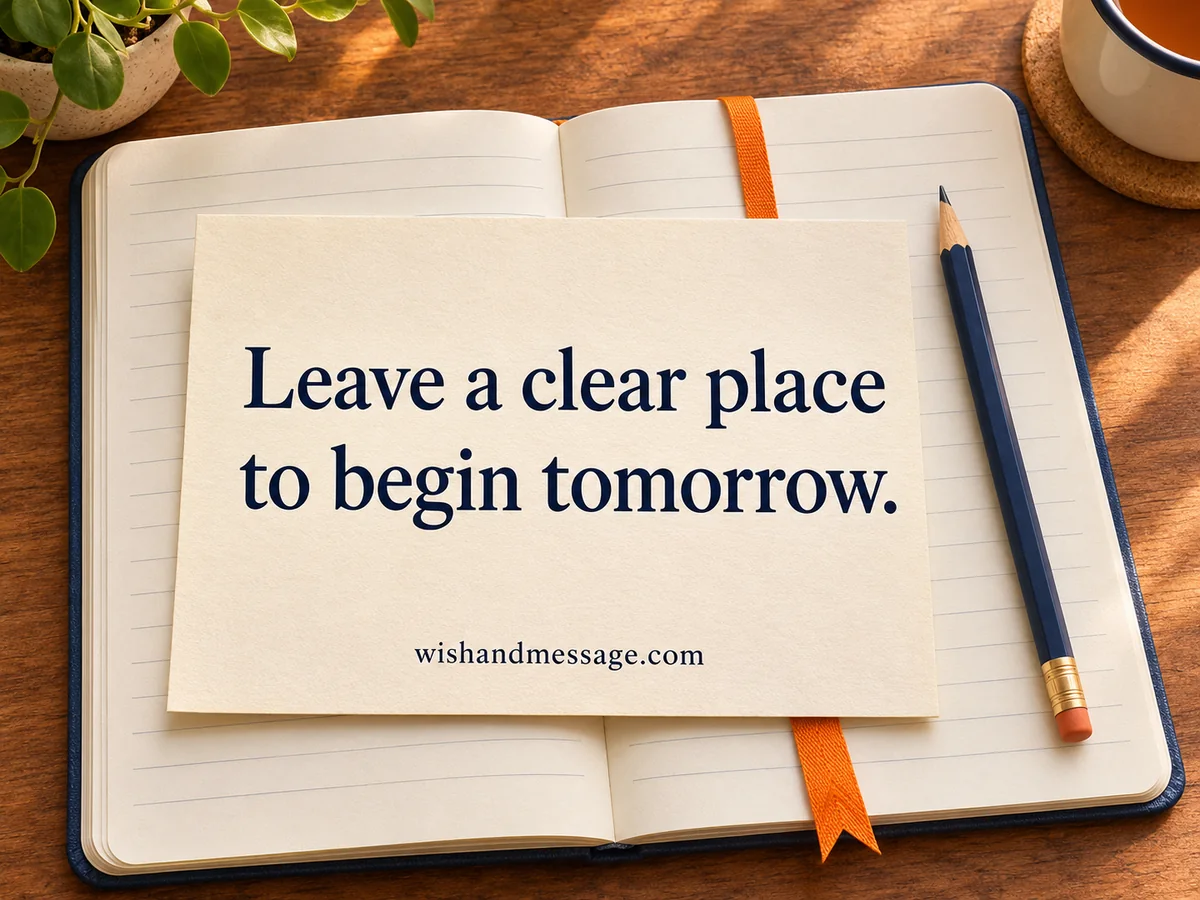
Choose a reminder that fits the obstacle you have today. Write it on a card, leave it in your planner or keep it beside the relevant assignment. Underneath, name the action: attempt a problem without the worked answer, list the questions you need to ask or revise a paragraph using the feedback you received.
At the end of the session, leave yourself a starting point for the next one. If the task still feels unclear, ask for an explanation. Collecting more motivational lines is less useful than knowing which piece of work needs attention.
When sustained effort leads to a moment you want to acknowledge, these messages for recognizing an achievement can help you celebrate it. For the end of a course or program, these graduation reflections written in the first person suit looking back at what you have learned.
Frequently Asked Questions
Should I start my study streak over after missing a day?
You can resume at your next planned opportunity without treating the earlier work as lost. Check what interrupted the routine and adjust the plan if necessary. A streak is optional; it is not the only way to recognize the work you have done.
Can I change a quotation to fit my subject?
You can write your own adaptation, but do not present changed words as an exact quotation from the named author. Keep the sourced wording and credit together when quoting. The unattributed reminders in this collection can be adapted without attaching a famous person's name to them.
How can I use a consistency quote with a student who is struggling?
Ask whether they want encouragement, then pair a short line with a specific offer of help. Avoid comparing them with classmates or using a quote to dismiss a learning difficulty. If they welcome it, choose the next manageable task together.